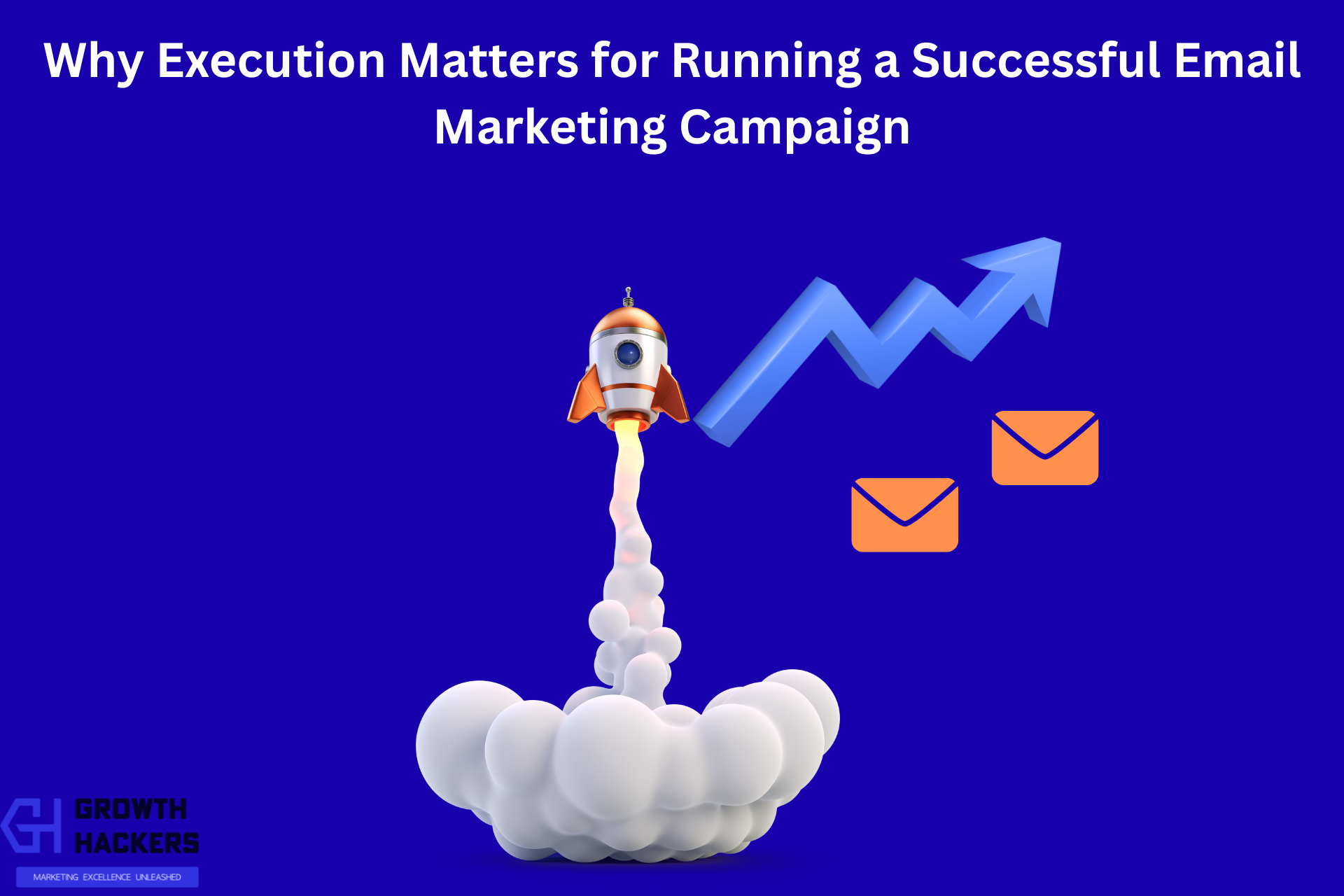
A global IT services provider recently launched an email campaign to showcase its new cloud migration solution. The marketing team spent weeks designing a polished template, optimizing subject lines through A/B testing, and carefully segmenting audiences across CIOs, CTOs, and IT decision-makers. On paper, the campaign looked bulletproof.
But when it went live, the reality was different. A large number of emails ended up in spam due to weak authentication protocols. Call-to-action buttons that looked perfect in design tests broke on mobile devices - the very channel most executives relied on. To make matters worse, follow-up processes failed, and promising leads slipped through the cracks. The strategy was strong, but the execution failed.
This isn’t an isolated incident. Across the IT industry - from software product companies to global IT service providers - marketing teams face the same challenge. Execution is what separates a well-thought-out campaign from one that drives measurable business outcomes. You can build the most innovative strategy, but without flawless execution, even the best email marketing campaign will fall flat.
Why Execution Matters in Email Marketing
If you’ve ever run an email campaign in an IT company, you probably know this feeling: the hours spent debating subject lines, the endless back-and-forth on templates, the late-night checks on automation flows. And then - launch day. The send button is clicked, and… half the emails go to spam, the CTA button doesn’t render on mobile, or worse, a lead replies and no one follows up. Painful, right? That’s not a strategy problem. That’s execution.
Let’s talk about why execution makes or breaks email marketing.
1. Strategy Without Execution Is Just Theory
A strategy deck looks great when you’re presenting it to leadership - “We’ll target CIOs with cloud messaging, CTOs with cost savings, and developers with technical how-tos.” But the moment personalization breaks and your CTO audience gets a generic “Dear Customer,” all that planning collapses. Strategy is exciting, but execution is the grind that actually makes things work.
2. Deliverability Defines Success
Ask anyone who’s spent days writing the “perfect” email, only to find out later it never reached inboxes. That sting is real. In IT marketing, with compliance-heavy buyers, missing deliverability checks (SPF, DKIM, GDPR, etc.) is like locking the door before the guests arrive. Your message never even makes it into the room. Execution is making sure the door is open - so the right people actually see what you worked so hard on.
3. Timing and Consistency Build Trust
Imagine sending an email promoting a new DevOps tool at midnight in New York, or firing off an update at random intervals with no rhythm. It feels sloppy, and your brand takes the hit. Execution means not just sending, but sending right - at the right time, in the right rhythm. In IT, where trust is currency, showing up consistently in someone’s inbox makes them start expecting you - and that’s half the battle won.
4. Personalization Converts
We’ve all seen it: “Hi [First_Name]” - the nightmare of every marketer. It takes seconds to break trust and months to rebuild it. For IT audiences, personalization is more than just using a name - it’s about sending the cloud architect something different from the CIO. Execution here means double-checking tokens, verifying segments, and making sure your “personalization” doesn’t accidentally make you look careless.
5. Data-Driven Improvements
The worst thing you can do is “send and forget.” Execution is about obsessing over the numbers after the fact: open rates, click-throughs, bounce rates, which CTA actually worked. For IT service providers, this data is gold. It tells you what’s resonating with decision-makers and where you’re wasting effort. Execution means closing the loop, so the next campaign isn’t just a repeat, but an upgrade.
Common Execution Mistakes to Avoid
If execution is where campaigns succeed, it’s also where they crash. And in IT marketing, even small slip-ups can cost you credibility with an audience that values precision. Here are some of the most common traps teams fall into:
Sending to Unclean Lists
It’s tempting to keep using the same database you’ve had for years - but sending to outdated or irrelevant contacts is like shouting into an empty room. Worse, it hurts deliverability and makes your brand look sloppy. Execution means regularly cleaning lists, removing inactive contacts, and ensuring you’re talking to people who actually want to hear from you.
Poor Timing & Frequency
Sending an email at the wrong time can make even the best content invisible. Send too often, and you become noise. Send too little, and people forget you. IT buyers already get bombarded with vendor emails; timing and cadence are what keep you credible. Execution is about testing send times, respecting inboxes, and showing up consistently - not randomly.
Not Aligning with the Buyer Journey
One-size-fits-all messaging is the fastest way to lose trust. If a CIO receives a highly technical developer-focused email, or a junior engineer gets a cost-focused pitch, it feels off. Poor execution ignores where someone is in the buyer journey. Smart execution tailors content - awareness-stage prospects see thought leadership, while ready-to-buy leads see ROI calculators and case studies.
Over-Automation Without Personalization
Automation is powerful - but it can quickly become cold and robotic. Too many IT marketers set up elaborate nurture tracks that look efficient but feel impersonal. Generic “drip” emails with no real personalization get tuned out. Execution here means using automation wisely: scaling outreach while still sounding human, relevant, and connected to the recipient’s actual challenges.
Checklist for Perfect Execution
When deadlines are tight and campaigns are complex, having a checklist saves you from costly mistakes. Here’s a simple, no-fluff guide IT marketers can run through before hitting “send”:
Define Clear Goals
Before writing a single line, ask: What do we want this email to achieve? More demo sign-ups? Webinar registrations? Pipeline acceleration? Clear goals turn emails from “just another campaign” into a measurable growth driver.
Segment the Audience
Not every contact in your CRM should get the same message. CIOs care about ROI, while DevOps engineers want technical depth. Segmentation ensures the right story reaches the right person - making your email relevant instead of ignored.
Write Personalized Subject Lines
Your subject line is your first impression. “Cloud Migration Made Easy for CIOs” gets attention. “Latest Update from [Company]” doesn’t. Personalization at this stage isn’t just about using a name - it’s about showing you understand the recipient’s role and pain points.
A/B Test Before Full Rollout
Never gamble an entire list on one version of your email. Test subject lines, CTA buttons, or even send times on smaller groups first. Execution means learning what works before going big. It’s like debugging code - test small, scale once it’s stable.
Measure and Refine
Execution doesn’t end when you hit send. Watch your KPIs - open rates, CTRs, conversions - and use them to improve. Every campaign should teach you something new. The smartest IT marketers aren’t just sending emails; they’re running experiments and evolving with every send.
Best Practices for Effective Execution
We’ve all heard the advice - “test your emails, optimize for mobile, segment your lists.” Sounds simple, right? But in reality, it’s the execution of these basics that separates campaigns that flop from those that fuel a healthy sales pipeline. Here’s what that looks like in practice:
Test Before You Send
Nothing sinks an email campaign faster than a broken link or a subject line that gets cut off on Outlook. IT marketers know the embarrassment of a VP replying, “Your CTA button doesn’t work.” Testing is the unglamorous step that saves you from costly mistakes. Always preview on multiple clients, click every link, and run a spam check before hitting send.
Focus on Mobile Optimization
Here’s the truth: most of your audience isn’t opening emails at their desk. They’re skimming them between meetings, on their phone, or even while grabbing coffee. If your beautifully designed email doesn’t render on mobile, you’ve lost them. Execution here means short subject lines, responsive design, and buttons big enough to tap with a thumb.
Segment Intelligently
Not every CTO, CIO, or developer wants to read the same thing. Sending one generic blast to everyone is lazy execution - and IT audiences spot it instantly. Smart segmentation means the DevOps lead gets a technical deep-dive, while the CIO gets a business value story. Done right, it feels like the email was written for them.
Automate Follow-Ups
One of the biggest failures in IT campaigns is the “send once and forget” approach. Leads open, click, and even show intent - but nobody follows up. Automation fixes that. Execution here means setting up triggered journeys: a click on your “cloud migration” guide sends a case study next, then nudges sales to connect. You’re not blasting - you’re nurturing.
Track KPIs Religiously
Execution doesn’t stop after “send.” The real work is in watching the numbers. Did the email land in inboxes? Did anyone click the demo link? Did conversions actually happen? IT marketers who treat data as their feedback loop get smarter with every campaign. Poor execution ignores the metrics; great execution thrives on them.
Tools & Tech Stack Recommendations
Great execution isn’t just about discipline - it’s also about having the right tools in your corner. For IT companies running complex campaigns, the tech stack you choose can mean the difference between “spam folder” and “sales pipeline.” Here are some essentials to keep your execution sharp:
Email Automation Platforms
Platforms like HubSpot, Mailchimp, and ActiveCampaign take the heavy lifting out of campaign execution. Instead of manually sending one-off emails, you can set up automated workflows, nurture tracks, and role-based campaigns that run smoothly in the background. For IT marketers juggling multiple product lines or service offerings, these tools keep everything structured and scalable.
Analytics Tools
You can’t improve what you don’t measure. Tracking open rates, CTRs, bounce rates, and conversions gives you the visibility to see what’s actually working. Most automation platforms have built-in analytics, but IT teams often integrate with more advanced tools for deeper insights. The magic happens when you treat analytics not as “reports,” but as the roadmap for your next campaign.
List Cleaning Tools
Your list is only as strong as its quality. Tools like ZeroBounce and NeverBounce help you remove invalid, outdated, or spammy addresses that drag down deliverability. For IT service providers emailing thousands of global contacts, list cleaning is the difference between a healthy sender reputation and being blocked by inbox filters. It’s not glamorous, but it’s execution at its finest.
The Future of Email Marketing Execution
Execution in email marketing isn’t standing still. For IT companies and service providers, the next wave of tools and tactics will make campaigns not just easier to run, but smarter and more impactful. Here’s where things are headed:
AI-Powered Personalization
We’ve moved past “Hi [First_Name].” AI is making personalization feel almost human. Imagine sending a CIO an email that not only addresses their name but also highlights cost-saving opportunities based on their industry, while a developer on the same list gets a deep-dive into technical features. That’s not just segmentation - that’s AI stitching together insights to make every message feel one-to-one.
Predictive Analytics for Better Timing
Timing has always been tricky - too early, and your email gets buried; too late, and you miss the window. Predictive analytics changes that. By learning from past open behaviors and engagement patterns, AI can help IT marketers send emails at the exact moment each contact is most likely to engage. Think of it as replacing guesswork with data-driven precision.
Interactive Emails (AMP & Dynamic Content)
Static email is fading. The future is interactive - emails where recipients can book a demo, answer a poll, or browse product features without leaving their inbox. For IT service providers showcasing solutions, AMP and dynamic content mean less friction and faster engagement. It’s like turning your email into a mini landing page - convenient, engaging, and memorable.
Growth Hackers Marketing Agency understands that in the IT world, a smart email strategy isn’t enough - flawless execution is what drives real pipeline growth. We go beyond templates and subject lines to help software companies and IT service providers build execution frameworks that cover everything from deliverability and mobile optimization to personalization and data-driven refinement - ensuring campaigns don’t just launch, but deliver measurable ROI.
Talk to our experts today and turn your email campaigns into a high-performing growth channel.
FAQs: Why Execution Matters in Email Marketing
1. Why is execution more important than strategy in email marketing?
A great email strategy sets direction, but without flawless execution — proper deliverability, personalization, mobile optimization, and follow-up — even the best plans fail. Execution ensures campaigns actually reach inboxes, engage audiences, and convert into measurable business outcomes.
2. What are the most common execution mistakes in IT email marketing campaigns?
The most frequent mistakes include sending to unclean lists, poor timing and inconsistent cadence, generic one-size-fits-all messaging, over-automation without personalization, and failing to follow up with engaged leads. These errors reduce credibility with IT buyers.
3. How can IT companies improve email deliverability?
To improve deliverability, IT marketers should implement proper authentication protocols (SPF, DKIM, DMARC), regularly clean and validate contact lists, avoid spammy content, and monitor bounce rates. Using tools like Zero Bounce or Never Bounce helps maintain a healthy sender reputation.
4. What role does personalization play in execution?
Personalization goes beyond using a recipient’s first name. For IT audiences, it means tailoring messages to roles and needs - for example, sending ROI-focused messaging to CIOs and technical details to DevOps engineers. Effective execution ensures personalization tokens and segmentation don’t break.
5. What tools help with flawless execution of email campaigns?
Tools like HubSpot, Mailchimp, and Active Campaign help with automation and workflows. Zero Bounce and Never Bounce assist with list cleaning, while built-in analytics or advanced platforms track KPIs like open rates, CTRs, and conversions. The right tech stack makes execution scalable and reliable.
6. How is AI changing email marketing execution?
AI is enhancing personalization, predicting the best send times, and enabling interactive email formats like AMP. IT marketers can now deliver highly relevant, role-based content at the exact moment a recipient is most likely to engage - improving both open rates and conversions.
7. What’s the best checklist for executing an IT email marketing campaign?
A strong execution checklist includes:
Defining clear campaign goals
Segmenting the audience
Writing personalized subject lines
Running A/B tests before full rollout
Ensuring mobile optimization
Automating follow-ups
Tracking KPIs and refining based on insights